Stolen the Show: The Fan-Made Characters Who Became Bigger Than the Story They Crashed

There's a particular kind of magic that happens when a fan creator sits down, stares at a fictional universe they love, and decides something's missing. Maybe the canon roster doesn't have a healer with a dark past. Maybe there's no morally gray side character who actually asks the hard questions. So the fan builds one. Names them. Writes them into the world.
And then something unexpected happens: other people fall in love with that character too.
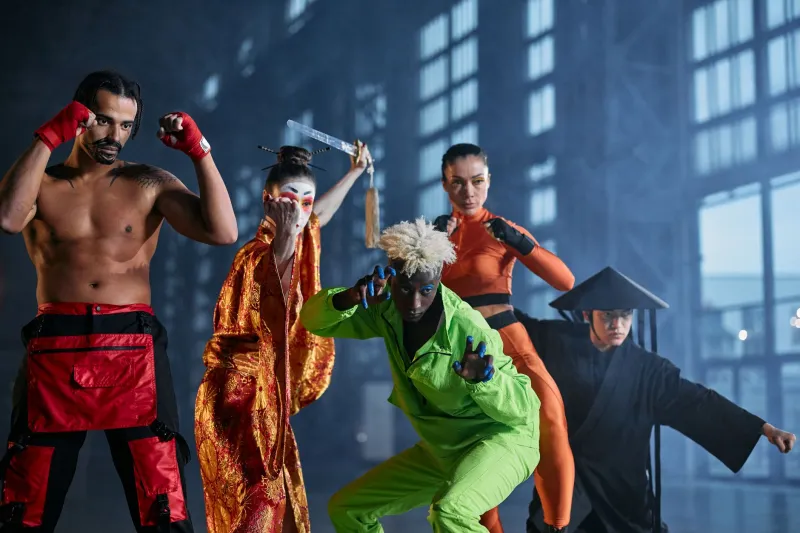
Original characters — OCs, in fandom shorthand — have always been part of fan creativity. But lately, the line between "fan invention" and "cultural fixture" has gotten genuinely blurry. We're talking about characters born entirely in someone's Google Doc or Procreate canvas who now have their own fan communities, dedicated wikis, and more fanart than some official cast members. That's not a footnote. That's a phenomenon.
What Makes an OC Stick
Not every original character earns a following. Most don't. The ones that break through tend to share a few traits — and interestingly, those traits often highlight exactly what the source material was missing.
Take the sprawling world of Naruto fan fiction. For years, readers have been creating shinobi OCs that fill narrative gaps the original series left wide open — female characters with fully realized arcs, side clans with actual lore, mentors who don't disappear after one arc. When those OCs resonate, it's partly because they're good writing, but it's also partly because the fandom was hungry for what they represent.
The same pattern shows up in Western fandoms. Marvel fan fiction communities on Archive of Our Own have produced original S.H.I.E.L.D. agents, rival heroes, and complicated love interests who've accumulated hundreds of stories written about them by other fans — a second-generation of fan creativity built entirely on someone else's original character. That's not just appreciation. That's canonization by community vote.
The OC That Spawned a Whole Subfandom
One of the clearest examples of an OC outgrowing its origin story comes from the Undertale fandom. "Underfell" started as a simple fan concept — a darker, inverted version of the game's world — and the characters within it, while technically alternate versions of canon figures, evolved so dramatically through community collaboration that they became their own entities. Fan creators began writing original characters native to the Underfell universe. Those characters now have their own dedicated communities that have never even fully engaged with the original game.
It sounds impossible until you realize the internet has basically removed every barrier between "I made a character" and "other people care about that character." The friction that once kept fan creativity contained — limited distribution, no easy way to find your audience — is gone. A well-written OC posted to Tumblr or TikTok in 2024 can find ten thousand people who love them before the week is out.
When the OC Outshines the Lead
Here's where it gets genuinely interesting — and occasionally uncomfortable for studios to reckon with.
In certain corners of the Harry Potter fandom, fan-created original characters have accumulated readerships that dwarf what many published authors see. There are OCs who've been shipped, analyzed, grieved over, and celebrated by readers who have never written a single word of fan fiction themselves. They just showed up to read about this specific character that someone invented in 2011.
What does it say about a franchise when a character invented by an unpaid fan in their bedroom generates more emotional investment than characters written by a paid professional with a full production studio behind them? It probably says a few things at once: that fan creators are genuinely talented, that they understand their audience intimately, and that official stories sometimes leave gaps so large a whole original character can walk right through them and make themselves at home.
The Creators Behind the Characters
The fan creators who build beloved OCs often describe the experience in surprisingly similar terms — they weren't trying to compete with canon. They were trying to complete it.
"I just wanted someone in that world who looked like me and had problems that felt real," one Dragon Age fan fiction writer described in a community forum post that got widely shared. Her OC, a Fereldan apothecary with a complicated relationship to the Chantry, now has nearly forty fan-made illustrations from other community members who adopted the character into their own creative work. She didn't pitch a character. She filled a need.
That's the throughline. The OCs that stick aren't usually built to be impressive — they're built to be necessary. And once a character feels necessary, the community tends to treat them that way.
The Studio Problem Nobody Talks About
There's an awkward implication sitting underneath all of this that the entertainment industry hasn't fully faced yet: if fan creators are consistently producing characters that audiences prefer to official ones, that's not just a compliment to fan creativity. It's a critique of what's being officially produced.
Studios spend millions developing characters through writers' rooms, focus groups, and market research. Fan creators spend zero dollars and operate on pure intuition about what their community actually wants. The gap in outcome isn't always in the studio's favor — and that gap is becoming increasingly visible.
Some franchises have quietly taken notes. There are documented cases of official media incorporating character types, relationship dynamics, or even specific design elements that first appeared in fan works. Whether that's flattering or something more complicated is a debate the fandom community has been having for years. But it does suggest that studios are watching what fan creators build — and recognizing when it's landing better than their own material.
What Happens to the OC Creator
Building a character that takes on a life of its own in a fan community is genuinely surreal. Creators describe discovering fan art of their OC that they didn't commission, reading stories where their character appears as a supporting role in someone else's fan fiction, or finding that their character has been given a whole backstory by community members that differs entirely from what they originally wrote.
For most, it's a profound compliment. For some, it's also disorienting — watching something you invented get collectively reimagined by hundreds of people who have strong opinions about who your character "really" is.
It's the same tension that published authors feel when fandom takes their work in unexpected directions. The difference is that OC creators never had institutional backing for their character in the first place. There's no copyright to enforce, no official word to appeal to. The character belongs to the community in a way that feels both beautiful and slightly terrifying.
The Bottom Line
Original characters in fan spaces have always existed. What's changed is scale, visibility, and the willingness of fan communities to treat them with the same seriousness they give official canon. When an OC has its own wiki page, its own tag with thousands of posts, and its own devoted readership — at some point, the label "fan-made" stops telling the whole story.
These characters are real in every way that matters to the people who love them. And increasingly, that's the only metric that counts.