Fans Made It, Fans Sold It: Inside the Booming Marketplace Where Fandom Creativity Pays Off
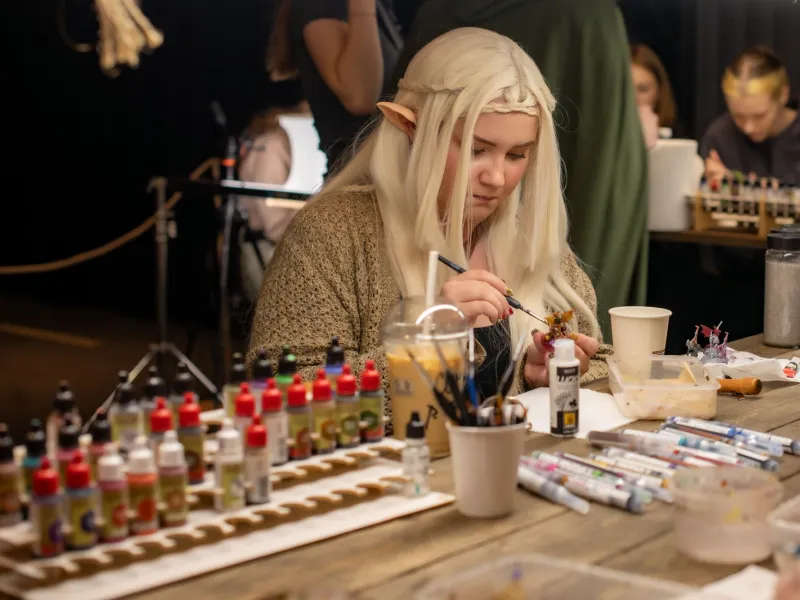
Walk through Artist Alley at any major US convention—San Diego Comic-Con, Anime Expo, PAX, C2E2—and you're walking through one of the most vibrant creative economies you'll find anywhere. Tables stacked with enamel pins, art prints, sticker sheets, zines, hand-bound chapbooks, embroidered patches, ceramic mugs. Artists who spent evenings and weekends making things they loved, now selling them to strangers who love the same things.
That's always been the beating heart of fan creative culture. But something has changed in the last few years. What used to be a mostly informal, convention-circuit economy has exploded into something significantly larger, more organized, and more financially meaningful—and it's happening in ways that are forcing everyone, including the studios that own the underlying IP, to reckon with what fan creativity is actually worth.
The Numbers Are Not Small
Etsy alone hosts hundreds of thousands of listings that could be broadly categorized as fan-adjacent—art prints, bookmarks, jewelry, and home goods inspired by beloved franchises. Print-on-demand platforms like Redbubble, Society6, and Merch by Amazon have made it possible for fan artists to offer physical products without holding inventory, dramatically lowering the barrier to entry. Some creators on these platforms are generating five and six-figure annual revenues from designs inspired by franchises they love.
Beyond individual sellers, fan publishing collectives have built sophisticated operations around fandom-inspired zines and anthologies. A well-organized fandom zine project can raise tens of thousands of dollars in pre-orders, pay contributing artists and writers real rates, and ship physical books to customers across the country—all while operating in a legally careful space that emphasizes fan creativity and transformative expression over direct reproduction.
This is not a hobby economy anymore. For a lot of creators, it's a real income stream.
How Creators Are Navigating the Legal Landscape
The fan merchandise space has always existed in a complicated legal gray area, and smart creators know it. The most successful fan merchandise operations are deliberate about how they operate—emphasizing original artistic interpretation over direct reproduction, creating designs that are clearly inspired by rather than copied from official materials, and staying current on the fair use principles that give transformative work some legal breathing room.
This isn't just self-protection. It's also genuinely good creative practice. A fan artist who develops their own visual style for depicting a beloved character is making something more interesting and more valuable than someone who just traces official artwork. The legal and the creative incentives point in the same direction: original interpretation beats reproduction.
That said, the legal landscape is genuinely complex, and creators who are serious about building sustainable businesses in this space are increasingly seeking real legal guidance rather than relying on fandom folklore about what's allowed. Organizations like the Organization for Transformative Works have been valuable resources, and more fan creators are building relationships with IP-savvy attorneys as their operations grow.
The Platforms Making It Possible
The infrastructure supporting the fan merchandise economy has matured significantly. Etsy has become a genuine marketplace for fan-inspired goods, with its own community norms and internal systems for navigating IP concerns. Print-on-demand services have made physical production accessible to creators who can't afford inventory. Ko-fi and Patreon let fans support creators directly, funding the creative work before it becomes a product.
For zines and indie publishing, platforms like Kickstarter and BackerKit have enabled fan publishing collectives to pre-fund print runs, reducing financial risk and creating built-in audiences before a single copy ships. The production quality of fan zines has risen dramatically over the last decade—many are now professionally printed, carefully designed, and comparable to small-press literary publications in terms of craft and presentation.
Social platforms, particularly Instagram and TikTok, function as the marketing layer for all of this. Fan creators build audiences around their creative work, those audiences become customers, and word-of-mouth within fandom communities drives discovery in ways that traditional advertising can't replicate. A popular fan artist with a dedicated following on TikTok can sell out a print run in hours.
Studios Are Starting to Pay Attention—Differently
For a long time, the default studio response to fan merchandise was some version of controlled tolerance punctuated by occasional enforcement actions. Officially, fan selling was not authorized. Practically, most studios looked the other way unless something got too big or too close to official product territory.
That posture is shifting, and not just toward more enforcement. Some studios and IP holders are actively experimenting with ways to formalize fan creativity as part of their brand ecosystem. Official fan art programs, creator licensing frameworks, and curated fan merchandise programs at conventions represent attempts to bring fan entrepreneurship into a more structured relationship with official IP.
The results are mixed. Official fan programs often come with restrictions that limit the creative freedom that makes fan work interesting in the first place. And creators who have built businesses in the informal fan economy aren't always eager to trade independence for official status, especially when official programs often require revenue sharing or creative approval.
But the conversation is happening, and that's new. Studios are beginning to see—if not fully accept—that the fan merchandise economy is generating real cultural value for their properties and real economic activity that they're currently not participating in. Figure out how to be part of that productively, and everyone might win.
What's Actually Being Made Out There
The range of fan-inspired creative merchandise is genuinely staggering once you start looking. Enamel pins remain a staple, but fan artists are working in ceramics, textiles, resin, bookbinding, screen printing, and digital art. Fan fiction writers are producing beautifully designed printed editions of their work. Fan musicians are selling vinyl. Fan game developers are releasing games with merch lines.
Zine culture deserves particular attention. The fandom zine format—an anthology of fan fiction, fan art, or both, organized around a theme or ship or character—has become a genuine art form with its own craft traditions and community standards. Participating in a well-run zine project is considered a meaningful creative credential in many fan communities. The best zines are beautiful objects that happen to be about beloved fictional characters.
The Creator's Perspective
For the fan creators building real businesses in this space, the experience is complicated in the ways that any small creative business is complicated—and then some. The work is meaningful, the community connection is real, and the income can be genuinely life-changing for people who built their skills through fandom.
But the uncertainty never fully goes away. A platform policy change can affect revenue overnight. An IP holder's enforcement priorities can shift. The fandom that loves your work today can move on to the next thing. Building a sustainable fan-adjacent business means managing those risks thoughtfully while staying connected to the creative passion that started it all.
The creators doing it well are the ones who treat their fan creativity as the foundation of a real creative practice—not just a side hustle, but a legitimate expression of artistic skill that happens to be in conversation with stories they love. That framing makes the work more defensible, more sustainable, and more satisfying.
And honestly? The stuff they're making is often extraordinary. Go to Artist Alley. Buy something. You're supporting one of the most genuinely creative economies operating in American culture right now.