Saving What Studios Let Burn: The Fan Archivists Preserving Entertainment History One Upload at a Time
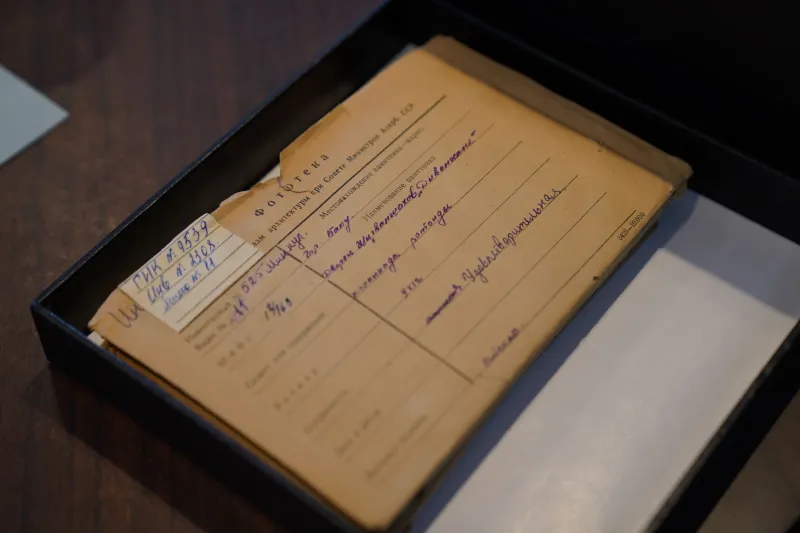
Somewhere right now, a fan is uploading a low-resolution scan of a 1987 promotional booklet for a fantasy franchise that hasn't had a new installment in two decades. Nobody told them to. Nobody's paying them. They're doing it because they figured out, probably the hard way, that if they don't, nobody will.
This is fandom archiving in a nutshell: unglamorous, painstaking, and quietly essential.
While studios cycle through content strategies, streaming platforms purge libraries overnight, and official websites go dark without warning, a growing movement of fan-driven archivists is racing to catch what falls through the cracks. They're building wikis with thousands of entries, digitizing physical media that exists in maybe a dozen collections worldwide, and cataloging deleted scenes, discontinued merchandise, and behind-the-scenes content that would otherwise vanish from cultural memory entirely.
It's one of the most underappreciated corners of fandom—and one of the most important.
The Problem Nobody Warned Us About
Here's a thing that doesn't get talked about enough: digital content is actually incredibly fragile. Physical film reels decay, sure, but a deleted tweet, a shuttered forum, a streaming exclusive that gets pulled from the platform—those can disappear in ways that leave almost no trace.
Fans have watched this happen over and over. Remember when a major animation studio quietly removed entire episodes from their streaming catalog following controversy? Fan archivists had already mirrored those episodes. When a beloved game studio shut down its official forums and wiped years of developer commentary, fan-run databases had already scraped and preserved much of that discussion. When a cult sci-fi series had its official website taken down, the Wayback Machine had some of it—but fan archivists had more.
The pattern is consistent: studios treat their own history as a liability the moment it stops being an asset. Fans treat it like something worth protecting forever.
What Fan Archives Actually Look Like
People who haven't spent time inside serious fan archive communities sometimes picture them as chaotic, poorly organized dumps of random files. The reality is often the opposite.
Some fan-maintained wikis are genuinely staggering in their scope and rigor. Take any major long-running franchise—science fiction, fantasy, superhero, anime—and there's a decent chance the most comprehensive, accurate, and consistently updated reference resource for that franchise isn't on the studio's official site. It's on a fan wiki maintained by volunteers who cross-reference sources, debate editorial standards, and enforce citation policies.
Beyond wikis, fan archivists operate digital libraries of scanned physical media: instruction manuals, novelizations, tie-in comics, press kits, convention programs, and merchandise catalogs. They maintain video archives of convention panels, cast interviews, and promotional clips that were never officially preserved. They collect and organize audio recordings—commentary tracks, radio adaptations, soundtrack releases that went out of print.
Some of the most dedicated archivists focus specifically on production history: concept art, storyboards, rejected designs, early scripts. This kind of material is gold for understanding how creative works actually get made, and it almost never gets officially preserved in accessible form.
The Technical Mountain They're Climbing
Preservation sounds simple until you try to actually do it at scale.
Storage costs money, even when it's cheap by historical standards. Organizing thousands of files in ways that make them actually usable requires real information architecture work. Keeping links alive as hosting services change, domain names expire, and platforms shut down is an ongoing maintenance burden that never goes away.
Then there's the format problem. Fan archivists working with older material deal constantly with obsolete file types, degraded media, and compatibility issues. Digitizing a VHS tape of a local TV broadcast from 1993 that happens to contain a rare interview with a show's creator requires equipment, expertise, and time that most people don't have sitting around.
And hovering over all of it is the legal question. Fan archives operate in a complicated space where copyright law doesn't offer clean answers. Preserving a deleted piece of official content for historical and educational purposes feels obviously justified to the people doing it—and feels like infringement to some rights holders. Many fan archives have received takedown notices. Some have complied. Some have fought back. The legal landscape remains genuinely murky, and it shapes what archivists feel comfortable doing and how publicly they operate.
Why It Actually Matters
This isn't just about nostalgia, though nostalgia is a completely valid reason to care about cultural preservation. Fan archives matter for reasons that go beyond any individual franchise.
They're resources for researchers. Academics studying media history, fan studies, and popular culture regularly rely on fan-maintained archives because the official record is so incomplete. A scholar writing about the evolution of a long-running franchise's visual design might find that the best primary sources available are a fan wiki and a digitized collection of promotional materials that a fan uploaded years ago.
They're tools for media literacy. Being able to trace how a story changed over time, how official messaging shifted, how fan response shaped subsequent creative decisions—that kind of analysis requires access to historical material. Fan archives make that possible for people who weren't there when it happened.
And they're a check on revisionism. Studios occasionally have reasons to want certain chapters of their history to be harder to access. Fan archives make sure that's not entirely up to them.
The People Behind the Preservation
Ask a dedicated fan archivist why they do it and you'll get answers that range from deeply personal to almost philosophical. Some started because they were terrified of losing access to something they loved. Some stumbled into it while trying to answer a specific question and realized the answer didn't exist anywhere, so they built the resource themselves. Some just have an organizing instinct and found a community that needed it.
What they share is a conviction that the things fandoms care about deserve to be taken seriously as cultural artifacts—not just by academics and institutions, but by the fans themselves. The Library of Congress can't catalog everything. The Internet Archive does heroic work but can't do it all. Someone has to fill the gaps.
Fan archivists have decided that someone is them.
The Quiet Legacy Being Built Right Now
The next time you pull up a fan wiki to settle an argument, or find a scan of an out-of-print sourcebook that answers a question you've had for years, or watch a convention panel from 2004 that somehow still exists on a fan-maintained YouTube channel—that's preservation work you're benefiting from. Someone made a choice to capture that, store it, organize it, and keep it accessible. Probably for free. Probably without much recognition.
Fandom gets celebrated for its creativity—the fan fiction, the art, the theories, the cosplay. The archivists tend to work in the background, which is maybe fitting for people who think of themselves as librarians. But what they're building is the foundation that makes everything else possible: a record that the things we loved actually existed, exactly as they were, before anyone had a chance to change the story.
That's not a small thing. That's how culture survives.